
- Waste Management & Recycling
- Water & Shoreline Protection
- Community Clean-Up Programs
- Green Initiatives
- Wildlife & Habitat
- Eco-Education
Waste Management & Recycling
- Local garbage and recycling schedules
- What can/can’t be recycled
- Composting guidelines
- Cumberland County Waste Management
Water & Shoreline Protection
Pugwash River Estuary
The Pugwash River Estuaryis a vital ecosystem where freshwater from rivers and streams mixes with the ocean's saltwater, creating a unique and productive environment. This estuary supports diverse communities of plants and animals and is protected from the full force of ocean waves, winds, and storms. The Friends of the Pugwash Estuary, a group of dedicated volunteers, work alongside the Department of Fisheries to monitor and maintain the health of the river and estuary. Additionally, the Nature Conservancy of Canada (NCC) has been instrumental in conserving over 1,000 acres of salt marsh, mudflat, and forest ecosystems in the area, representing the largest assembly of conservation land along the Northumberland Strait in Nova Scotia.
Shoreline Erosion Prevention Efforts
Coastal erosion is a significant concern for communities like Pugwash. Innovative approaches, such as Living Shorelines, have been implemented in various parts of Nova Scotia to combat this issue. These methods combine natural elements like native vegetation with engineered structures to stabilize shorelines, reduce wave energy, and provide habitat for wildlife. For instance, the Mahone Bay Living Shoreline project utilizes rock sills, tidal wetlands, and vegetated banks to protect against flooding and erosion.
Salt Marsh Protection Programs
Salt marshes play a crucial role in coastal protection by absorbing storm surges, filtering pollutants, and providing habitat for various species. In the Pugwash area, efforts by organizations like the NCC have focused on preserving these vital ecosystems. By working with local landowners and volunteers, they have successfully protected extensive areas of salt marsh, contributing to the overall health and resilience of the coastal environment.
Water Conservation Tips for Residents
Conserving water is essential for ensuring a sustainable supply for all. Here are some practical tips for residents:
- Fix Leaks Promptly: A dripping faucet can waste thousands of litres of water annually.
- Install Water-Saving Devices: Use low-flow showerheads, faucet aerators, and dual-flush toilets to reduce water usage.
- Efficient Appliance Use: Only run dishwashers and washing machines with full loads.
- Mindful Outdoor Watering: Water lawns and gardens during early morning or late evening to minimize evaporation.
- Rainwater Harvesting: Collect rainwater for gardening and other non-potable uses.
Implementing these practices can lead to significant water savings and contribute to the overall sustainability of the community.
Community Clean-Up Programs
Pugwash Communities in Bloom (CIB)
Established in 2005, Pugwash Communities in Bloom is a volunteer-driven organization dedicated to fostering civic pride, environmental responsibility, and beautification. Their initiatives include:
- Earth Day Community Litter Clean-up: An annual event where volunteers gather to clean up litter throughout the village.
- Community Pride in Action Program: Recognizes individuals and groups contributing to village life and cleanliness.
- Educational Outreach: Workshops and seminars on environmental topics to educate and engage the community.
- The Great Litter Pickup: A community-wide event focusing on collecting litter from public spaces.
For more information or to get involved, go to Pugwash Communities in Bloom.
Friends of the Pugwash Estuary (FOPE)
FOPE is a non-profit organization committed to the stewardship of the Pugwash Estuary. Their activities include:
- Trail Maintenance: Regular upkeep of trails, including clean-up efforts and repairs, especially after events like Hurricane Fiona.
- Environmental Education: Organizing bird counts and educational events to promote awareness of local ecosystems.
- Community Events: Hosting events such as the Fall Flotilla, combining recreation with environmental appreciation.
Learn more about their work and upcoming events on the Friends of the Pugwash Estuary website.
Great Nova Scotia Pick-Me-Up
The Great Nova Scotia Pick-Me-Up is a province-wide initiative encouraging communities to organize litter clean-up events. Residents of Pugwash can participate by:
- Registering Clean-Up Events: Organize and register local clean-up events to be featured on the provincial map.
- Joining Existing Efforts: Participate in scheduled clean-ups within the community.
For more details and to see upcoming events, visit Great Nova Scotia Pick-Me-Up.
Photos and Results from Past Clean-Ups
Visual documentation of past clean-up efforts showcases the community's dedication:
- Pugwash Communities in Bloom: Their project gallery features images from various beautification and clean-up projects.
- Friends of the Pugwash Estuary: Event recaps and photos are available on their news page, highlighting community involvement in environmental stewardship.
Residents interested in participating or learning more about these programs are encouraged to reach out to the respective organizations or contact the Village of Pugwash at
Green Initiatives
Solar Energy Projects
- Sunset Community Solar Installation: Sunset Community Inc., serving adults with disabilities in Pugwash, is installing solar panels on five of its buildings. This project, supported by over $126,000 from the Province's Sustainable Communities Challenge Fund, aims to reduce greenhouse gas emissions and reinvest energy savings into community services.
- Community Solar Program: Nova Scotia's Community Solar Program enables community groups and businesses to establish solar gardens, allowing residents who cannot install their own panels to subscribe and receive renewable electricity. This initiative supports the province's goal of achieving 80% renewable energy by 2030.
Tree Planting and Green Spaces
- Pugwash Communities in Bloom: This volunteer-driven initiative focuses on beautification, environmental responsibility, and civic pride. Projects include the Great Pugwash Tree Survey, tree planting events, and the development of green spaces like the PeaceGround in Eaton Park.
- Urban Forestry Strategy: In collaboration with experts, Pugwash has conducted tree inventories and developed strategies to manage and enhance its urban forest, contributing to biodiversity and climate resilience.
Energy-Efficient Infrastructure Improvements
- Community Building Retrofits: While specific projects in Pugwash are not detailed, similar initiatives in nearby communities involve energy upgrades to community buildings, including insulation, LED lighting, and solar panel installations, aiming to reduce energy bills and enhance climate resilience.
Future Sustainability Plans
The Village of Pugwash is committed to ongoing sustainability efforts, including:
- Exploring Renewable Energy Opportunities: Assessing the feasibility of additional solar installations and other renewable energy sources to reduce the community's carbon footprint.
- Promoting Energy Efficiency: Encouraging residents and businesses to adopt energy-efficient practices and technologies.
- Community Engagement: Organizing workshops and information sessions to educate the public on sustainability and environmental conservation.
Wildlife & Habitat
The Village of Pugwash is home to diverse ecosystems and wildlife. Here's an overview of local wildlife, conservation efforts, and guidance on handling injured animals and invasive species:
Local Wildlife & Habitats
The Pugwash Estuary Nature Reserve, managed by the Nature Conservancy of Canada, encompasses 550 hectares of forests, salt marshes, and coastline. This area supports a variety of bird species, including Canada geese, green-winged teals, semipalmated sandpipers, and willets. It's also a crucial stopover for migratory birds during spring and fall.
Protecting Bird Habitats & Pollinators
Conservation efforts focus on preserving habitats for birds and pollinators. Initiatives include maintaining native plant species and protecting nesting areas to support biodiversity.
Encountering Injured Wildlife
If you come across injured or orphaned wildlife:
- Observe: Ensure the animal truly needs help; some may appear abandoned but are not.
- Contact Experts: Reach out to wildlife rehabilitation centers for guidance.
- Hope for Wildlife: Text or call 902-407-9453.
- Cobequid Wildlife Rehabilitation Centre: Visit Cobequid Wildlife Rehabilitation Centre for more information.
Remember, handling wildlife without proper training can be harmful to both you and the animal.
Invasive Species Watch
Stay vigilant for invasive species that threaten local ecosystems:
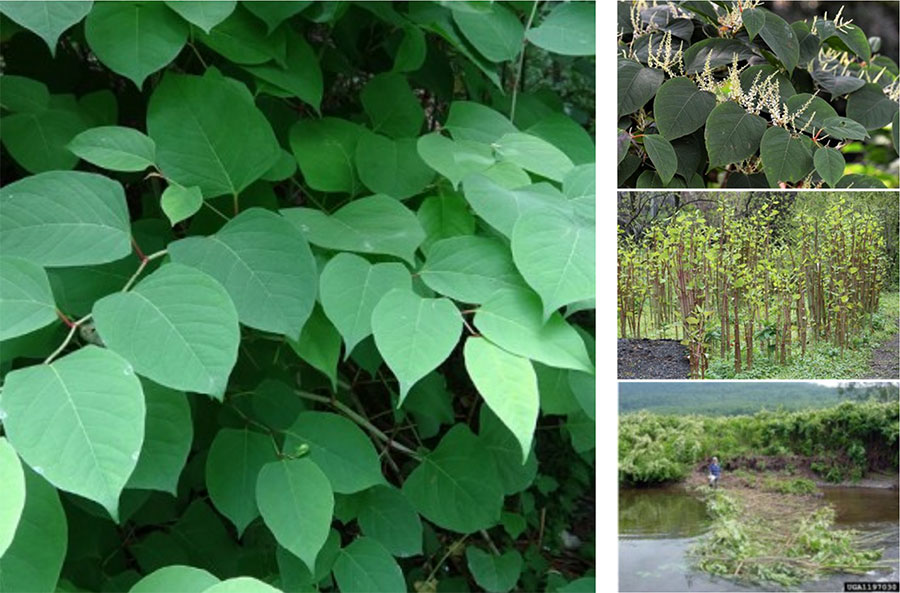
Japanese Knotweed: A fast-growing plant that outcompetes native vegetation.
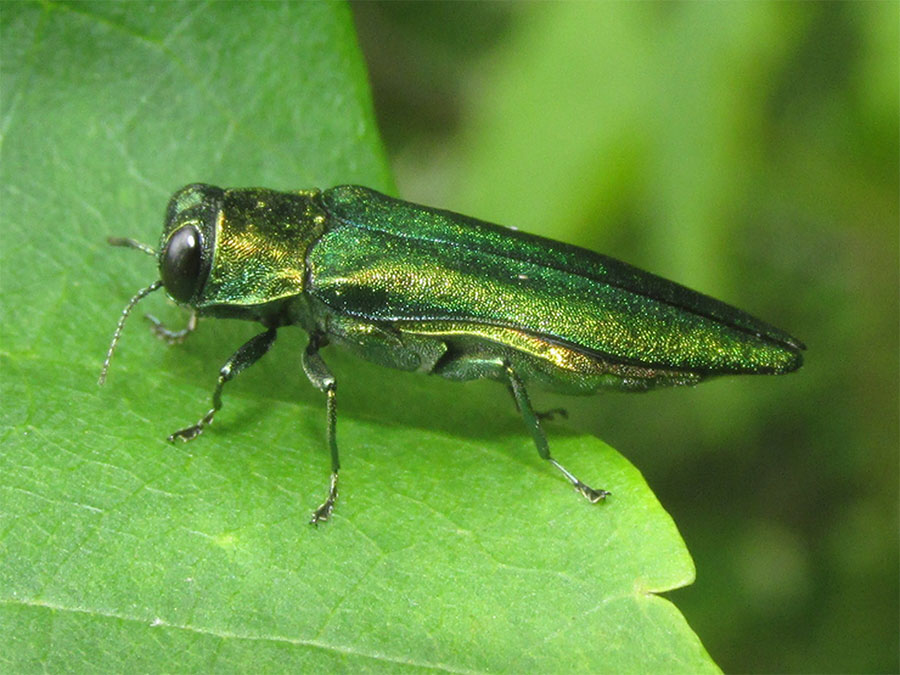
Emerald Ash Borer: A beetle that damages ash trees, leading to significant ecological impacts.
Report sightings to the Nova Scotia Invasive Species Council to aid in control efforts.
Eco-Education
The Village of Pugwash offers a variety of eco-education initiatives that engage students, families, and the broader community in environmental awareness and sustainability. Here's an overview of current programs and resources:
School & Youth Programs
- Pugwash District High School Learning Garden: Students participate in hands-on gardening through raised beds, cultivating vegetables and herbs. The garden integrates into subjects like Math, Science, Agri-Foods, and Family Studies. The school also hosts a Green Team and has plans to expand pollinator-friendly spaces.
- Cyrus Eaton Elementary School Garden: Supported by Pugwash Communities in Bloom, this garden provides students with opportunities to learn about plant growth and environmental stewardship.
- PeaceGround Project: A collaborative effort between Pugwash District High School students and Pugwash Communities in Bloom, this initiative in Eaton Park features peace-themed benches and landscaping, promoting discussions on peace and environmental responsibility.
Community & Family Eco-Education
- Pugwash Communities in Bloom: This volunteer organization conducts eco-seminars, Indigenous education sessions, and community clean-up events. They also organize tree planting, garden projects, and public art installations to foster environmental awareness.
- Friends of the Pugwash Estuary (FOPE): FOPE offers educational programs about the Pugwash River Estuary, including guided nature walks and interpretive sessions at their Estuary House. They collaborate with the Nature Conservancy of Canada to protect local ecosystems.
Climate Change & Environmental Awareness
- Pugwash Estuary Nature Reserve: Managed by the Nature Conservancy of Canada, this reserve features interpretive trails and signage that educate visitors about local ecosystems, climate change impacts, and conservation efforts.
- Harriet Irving Botanical Gardens: Located in Wolfville, these gardens offer educational programs on native habitats and climate change, serving as a resource for those interested in environmental studies.
Community Gardens
- Cyrus Eaton Elementary School Garden: This garden allows students to engage in planting and harvesting, teaching them about sustainable agriculture and healthy eating.
- Open Hamper Food Bank Garden: Supported by Pugwash Communities in Bloom, this garden provides fresh produce to the local food bank, promoting food security and community involvement.
- Pugwash District High School Garden: In addition to educational purposes, the produce from this garden is used in culinary classes and shared within the school community.
