


Indigenous Roots
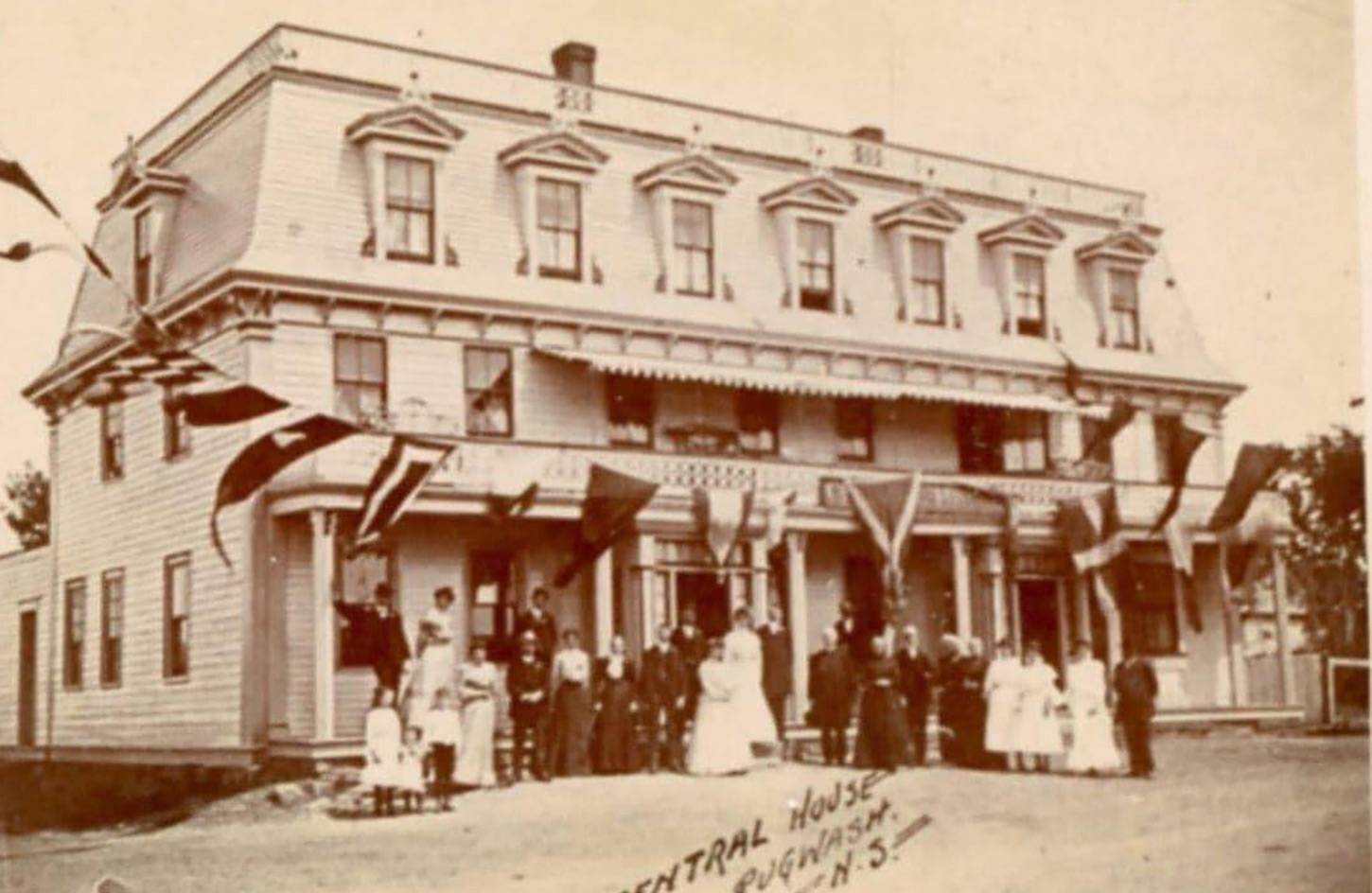
The area now known as Pugwash is situated within Mi'kma'ki, the ancestral territory of the Mi'kmaq people, who have inhabited the region for over 13,000 years. The name "Pugwash" is derived from the Mi'kmaq word Pakwesk or Pagwe'ak, meaning "shallow water," referencing the shoals near the harbour's mouth. The Mi'kmaq frequented the area for its abundant fishing and waterfowl resources, although there is no evidence of permanent settlements.
Early European Settlement
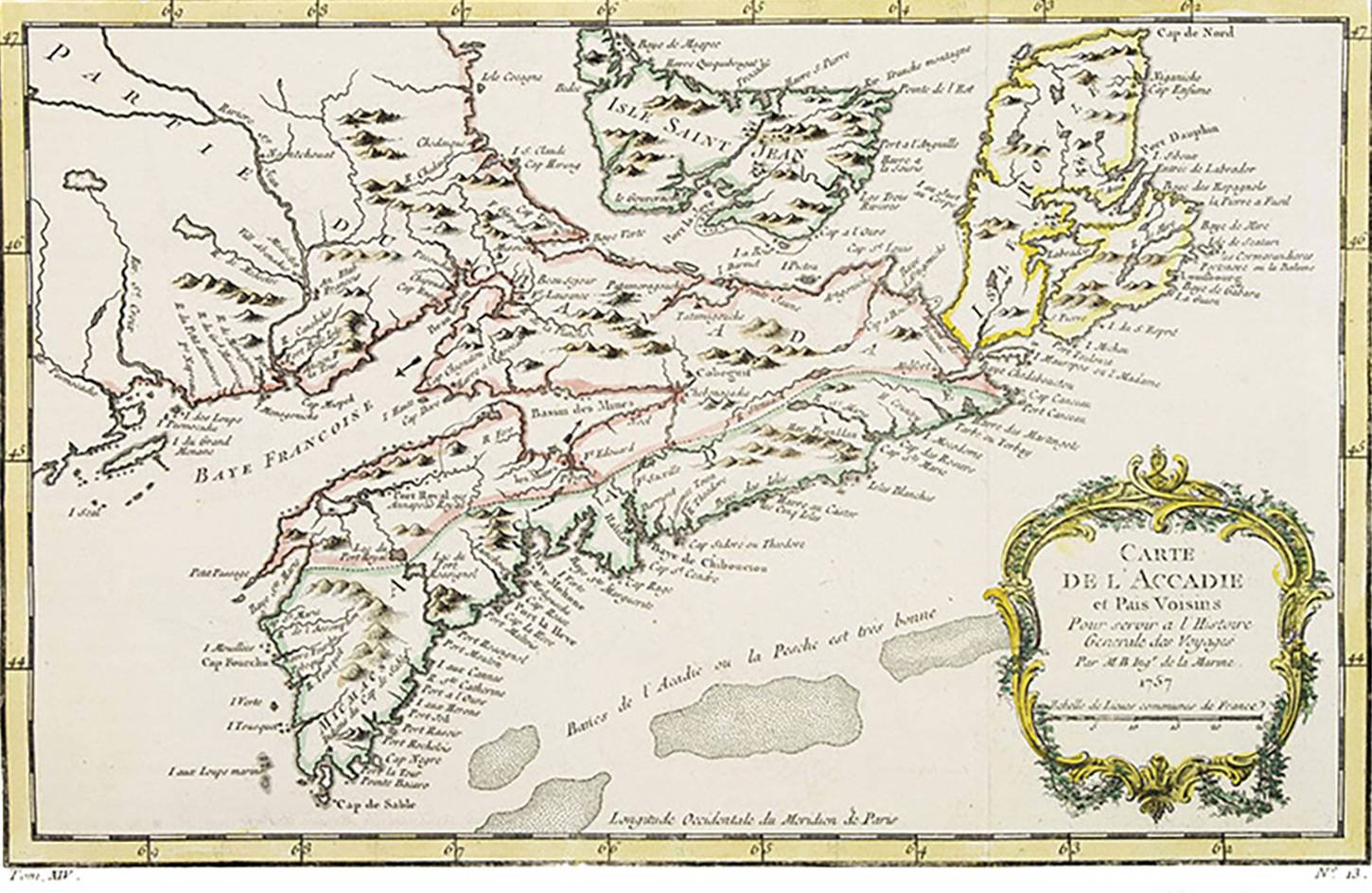
 In 1697, the area became part of a seigneurial grant awarded to French nobleman Pierre Noel Legardeur Tilly. While Tilly likely never visited, Acadian settlers established themselves in the region until their expulsion in 1755. Some remnants of Acadian dykes may still exist, though further archaeological exploration is needed.
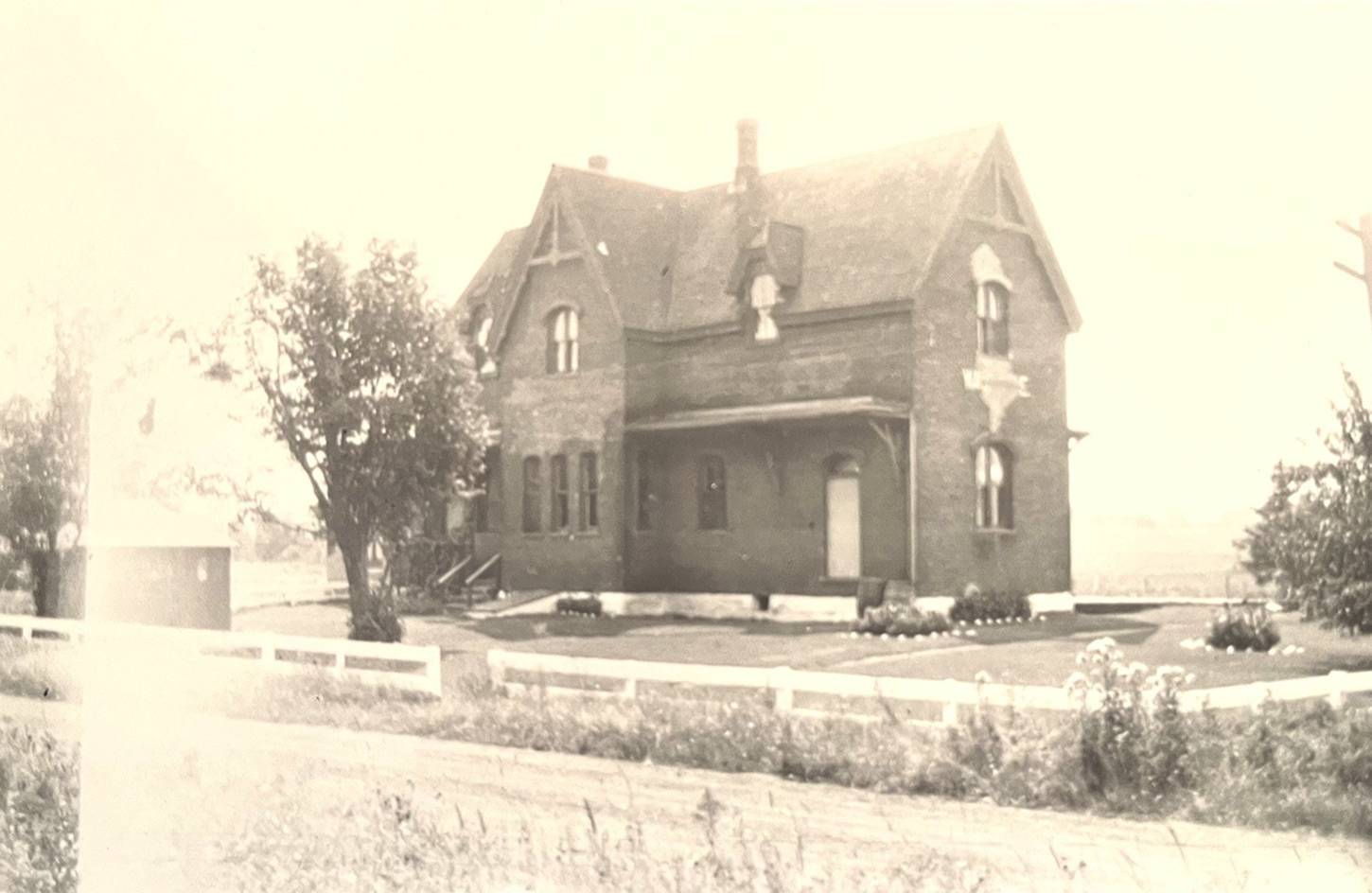
Following the Acadian expulsion, the mid to late 1700s saw an influx of settlers from the United States, including New England Planters and United Empire Loyalists fleeing the American Revolution. Notably, brothers Stephen and Abraham Seaman acquired land around Pugwash Harbour in 1802, purchasing 400 acres each from the Mi'kmaq for £5. Stephen Seaman built the first recorded house in Pugwash in 1807.
Growth and Development
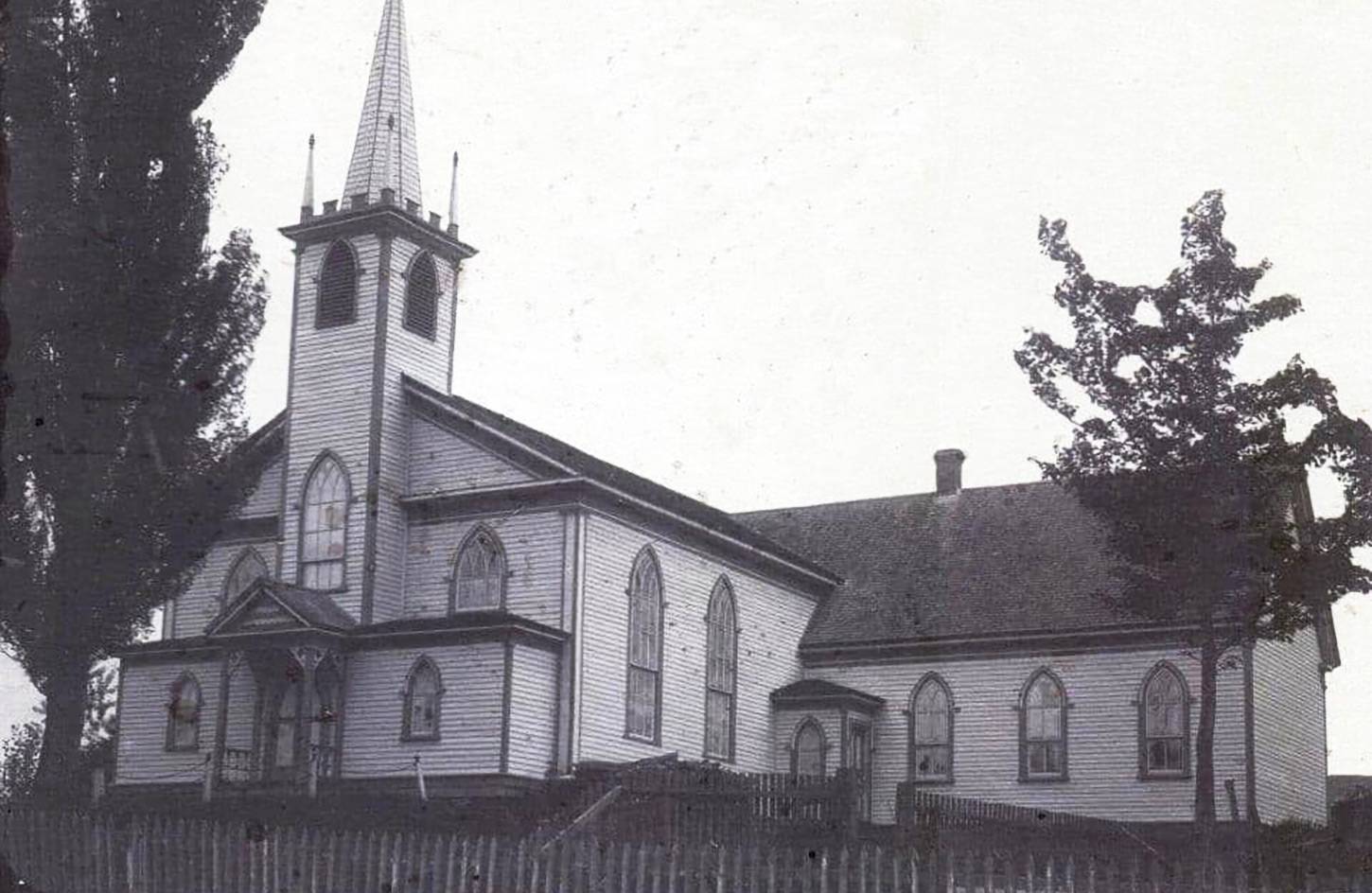
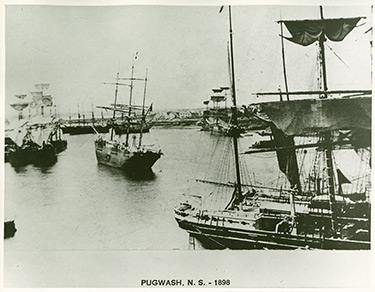
 Pugwash's development accelerated due to its rich timber resources and strategic harbour, leading to a boom in shipbuilding from 1837 onward. By 1871, the village's population had grown to over 3,000, supporting industries such as hotels, churches, blacksmiths, and tanneries.
In 1826, residents attempted to rename the village "Waterford," considering "Pugwash" uncouth. The name "Waterford" was used from 1827 to 1829 before reverting to Pugwash.
James Black played a pivotal role in 1845 by plotting and arranging the layout of lots and streets, shaping the village's core.
Cultural Heritage
Pugwash is home to many descendants of Highland Scots who immigrated in the 19th century. The village celebrates its Scottish heritage annually on July 1st with the Gathering of the Clans and Fisherman's Regatta. Street signs are bilingual, featuring both English and Gaelic.
Notable Events
Pugwash faced significant challenges with devastating fires in 1890, 1898, 1901, and 1929, each razing substantial portions of the village. The 1898 fire alone left 1,200 residents homeless. The New York Times reported the destruction of 200 dwellings, 5 churches, 20 stores, 3 hotels, and several mills. In response to the 1929 fire, native son and industrialist Cyrus Eaton returned to aid in rebuilding. He financed the construction of a seawall, straightened Main Street, added paved sidewalks, and landscaped the park, aiming to revitalize the community through tourism.
A significant historical landmark is the Crowley Memorial, erected in 1870 to honour Mary E. Crowley, who died in 1869 at age 12 after rescuing her younger siblings from a house fire. It is believed to be the first public monument erected to a female in Canada.
Pugwash Conferences on Science and World Affairs
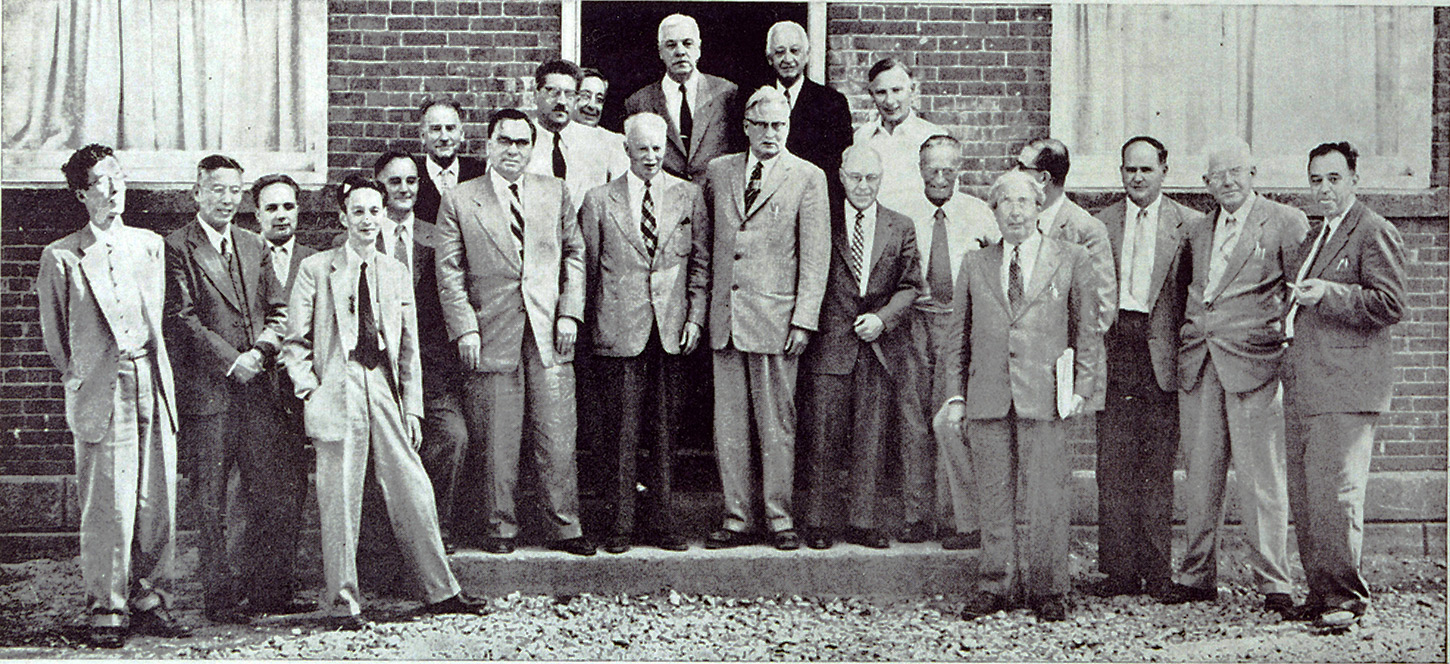
In 1957, Pugwash gained international recognition by hosting the first Pugwash Conference on Science and World Affairs. Organized by philosopher Bertrand Russell and hosted by native son Cyrus Eaton, the conference brought together scientists and scholars from both sides of the Cold War to discuss nuclear disarmament. This initiative led to the formation of the Pugwash Conferences, which were awarded the Nobel Peace Prize in 1995.
Modern Pugwash
Today, Pugwash is a vibrant community known for its fishing, salt mining, and tourism industries. The village sits atop a significant salt deposit and is home to the largest underground salt mine in Atlantic Canada, operational since 1959. The mine produces approximately 1.2 million tonnes of salt annually.
The village also boasts the Pugwash Train Station, built circa 1892 and designed by Sir Sandford Fleming. This historic building now houses the North Cumberland Historical Society.
Pugwash continues to honour its rich history while embracing the future, embodying its motto: "World Famous for Peace."
For more detailed information, you can visit the Village of Pugwash's official website or explore resources from the Thinkers Lodge.
